
Sustainable Creativity: 6 Eco-Conscious Picks for Earth Day
Every time we dip a brush or sharpen a pencil, we’re making a choice, not just about the colors we use, but about the footprint we leave behind. For artists, the world is our greatest muse, yet many traditional supplies rely on heavy metals, microplastics, and harsh chemicals that can harm the very environments that inspire us.
This Earth Day, it’s time to rethink the "starving artist" trope and embrace the "sustainable artist". Whether you’re a professional painter or a weekend doodler, transitioning to eco-friendly materials doesn't mean sacrificing quality. Read below for some to discover the best planet-friendly supplies to help you build a studio that’s as kind to the Earth as it is to your imagination.
1.) Natural Line from Hahnemühle
For many years, Hahnemühle has been consistently working towards finding more environmentally friendly and sustainable ways to produce paper. Hahnemühle started to use bamboo fibres, a fast-growing and sustainable raw material, in 2008 and launched the mixed media paper Bamboo, made from 90% bamboo fibres and 10% cotton rag. Hahnemühle extended the range with bamboo papers and books suitable for different painting techniques throughout the years. With the new Agave, Hemp and Sugar Cane papers, Hahnemühle is consistently focussing on further resource-saving papers in the spirit of environmental protection. Hahnemühle's "Natural Line" includes the artist papers Sugar Cane Watercolour, Agave Watercolour, Hemp Sketch, Bamboo Mixed Media and Bamboo Sketch.

Shop the Collection:
2.) Liquitex Recycled Canvas
This canvas cloth is made with 100% recycled plastic bottles fastened to FSC certified wood. Suitable for both acrylic and oil paints, this high-quality surface has been tested by professional artists and within the Liquitex lab so you can create with confidence while reducing your impact on the environment.
Features:
- Cloth made from 100% recycled bottles.
- Finished weight 565gsm / 20oz for stretched canvas.
- Back stapled with folded uncut, tailored corners.
- Triple primed with highly pigmented titanium dioxide gesso primer.
- FSC pine wood stretcher bar and wood key.
- Archival
- Traditional depth: 0.75 inch
Liquitex Recycled Canvases are available in 11x14 and 8x10 sizes
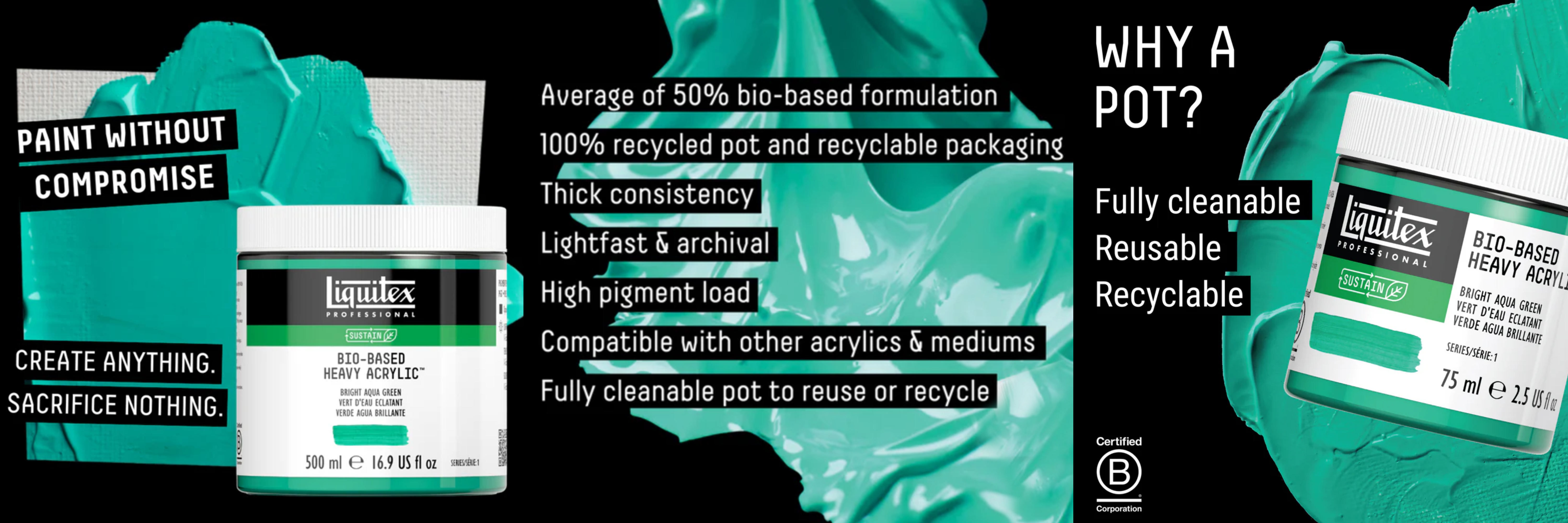
3.) Liquitex Bio-Based Heavy Body Acrylics
This is high viscosity, pigment-rich professional acrylic color, made with an average 50% bio-based renewable ingredients. With a high concentration of lightfast artist-quality pigment and a satin finish, Bio-Based Heavy Acrylic gives you vibrant permanent color, with crisp brush strokes and bold knife marks. As you unleash your creativity, do it knowing that every vibrantly pigmented brush stroke is part of a revolution. With Bio-Based Heavy Acrylic you’re making a positive move towards a healthier planet, while getting the same Liquitex pro standard you expect. As the first ever fine art pro bio-based acrylic, there’s no limits to what you can achieve.
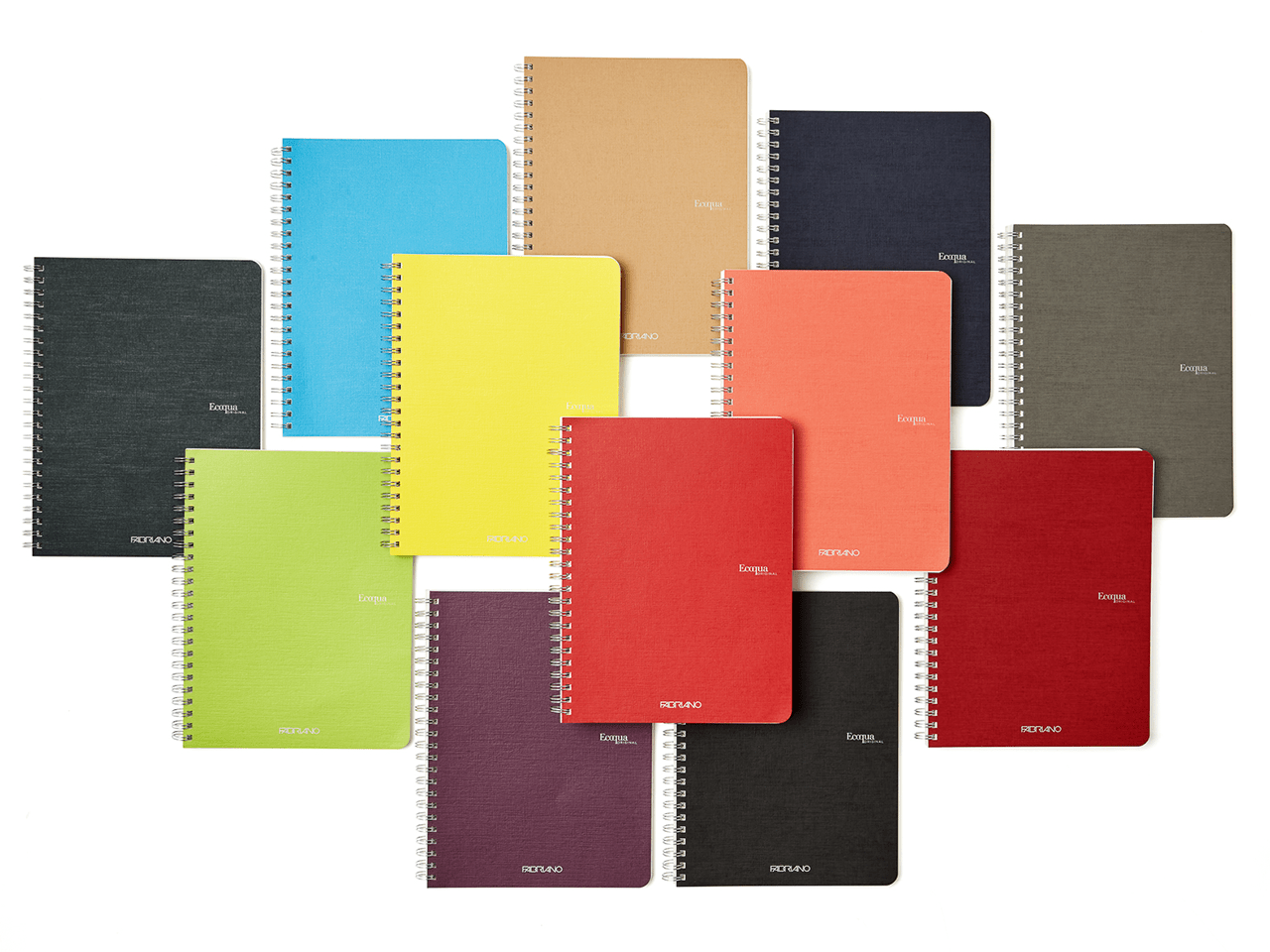
4.) Fabriano Ecoqua Original Notebooks
Designed to last, to open perfectly and for beautiful writing all the way to the last page. Entirely made in Italy using the best raw materials, and renewable energy in the production process. These notebooks are FSC-certified, fully recyclable, and made using lightfast and eco-friendly materials. Fabriano has announced it has a goal to return 95% of the water they use back to the environment clean and at the correct temperature.
5.) Gamblin Reclaimed Earth Colors
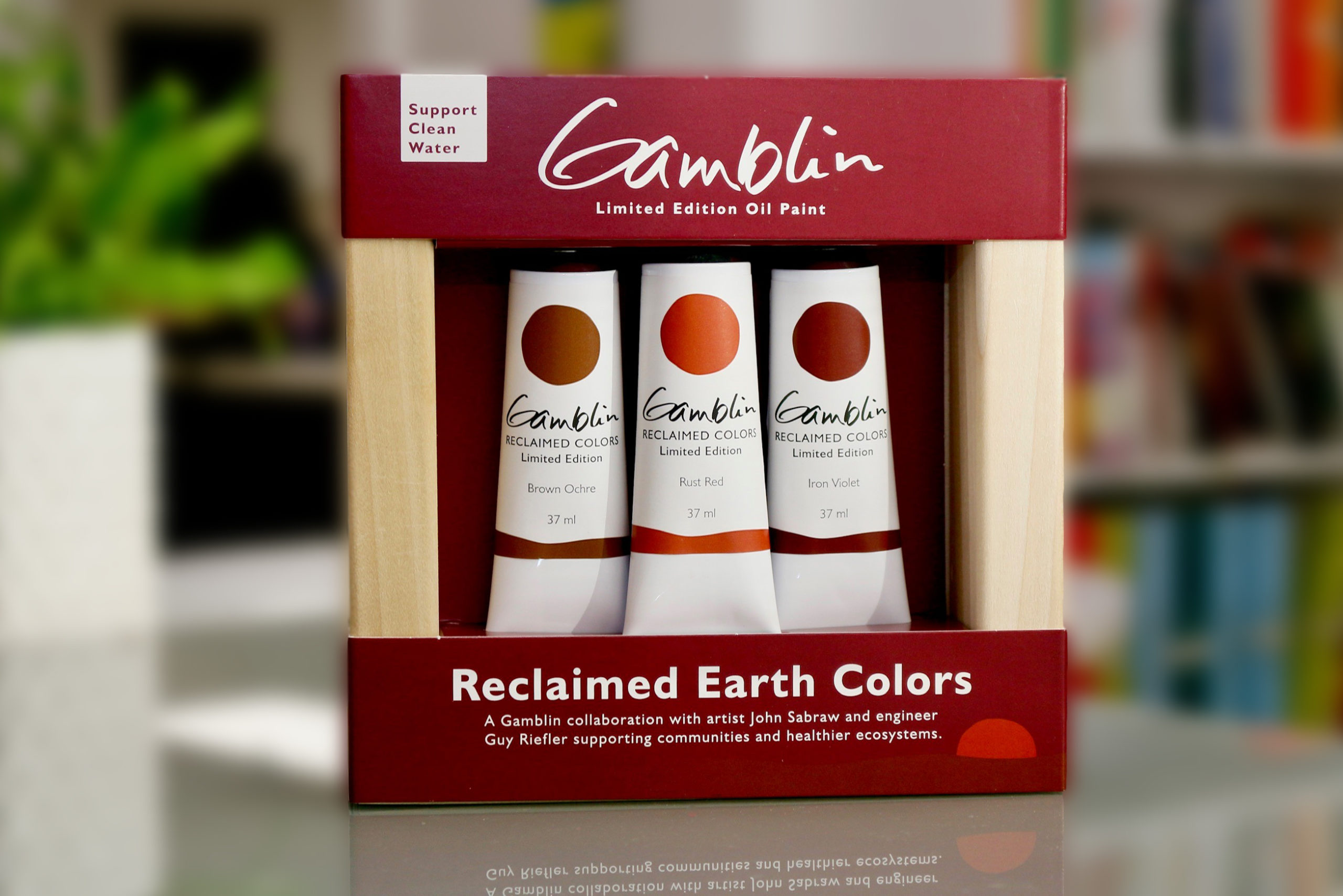
The story of Gamblin’s Reclaimed Earth Colors is a perfect blend of environmental science and fine art. It began in Ohio’s Sunday Creek, a waterway devastated by acid mine drainage. For decades, abandoned coal mines leaked toxic, acidic water that carried heavy concentrations of iron oxide, turning the creek a dead, neon orange and suffocating the local ecosystem.
Working with an environmental engineer and a local artist, Gamblin found a way to turn this ecological disaster into a creative resource. They developed a process to intercept the toxic runoff and extract the iron oxide before it reached the river. Once the sludge is removed, the water—now clean and safe—is returned to the creek. The captured iron oxide is then processed, washed, and fired at different temperatures to create three distinct, professional-grade oil paints:
- Rust Red: A warm, earthy crimson.
- Iron Violet: A deep, muted plum.
- Brown Ochre: A rich, golden umber
These colors are lightfast, archival, and behave exactly like traditional earth pigments. By using them, artists are literally painting with reclaimed pollution, supporting a project that has already helped restore miles of American waterways.
6.) Gamblin Solvent-Free Materials
For years, Gamblin has lead the charge in leading oil painting into the future by offering a range of contemporary painting medius around fast-drying, soy-based alkyd resin, which are formulated with the mildest solvent available: Gamsol. Used as a thinner and brush cleaner, Gamsol has set the standard for studio safety and allows painters to work in both traditional and contemporary painting techniques. In addition to Gamsol, Gamblin has also introduced a range of Solvent-Free Painting Mediums.
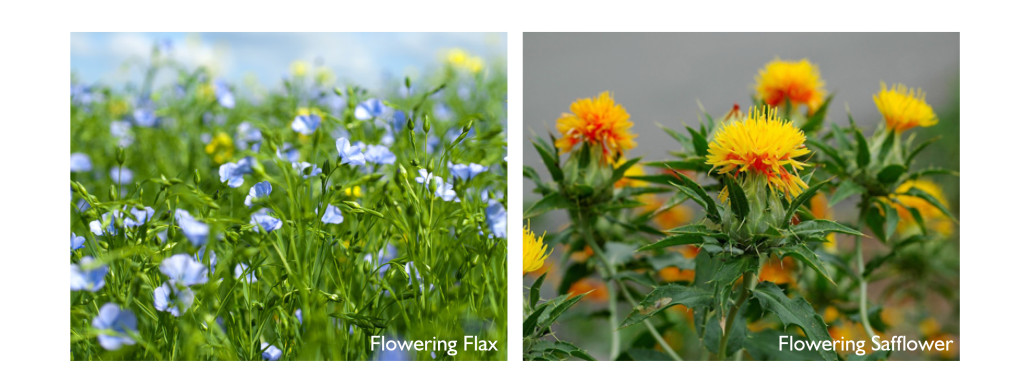
Linseed oil naturally dries faster than other oils and retains greater strength and flexibility as it ages. Paler safflower oil is used in some colors, most notably white. Not only are both of these vegetable oils completely non-toxic, but they are also both used in moisturizers, cooking oils, food and vitamins. Linseed and safflower oils do not give off “fumes.” In fact, these oils take in oxygen as part of their drying process. Gamblin Artist’s Oil Colors do not contain solvent, nor do they require any solvent for their use. Simply put, our oil colors have always been Solvent-Free.
Conclusion
There are, of course, dozens of more sustainable materials not listed here. At Sam Flax, we are constantly challenging ourselves to prioritize our growing collection of sustainable materials. Choosing eco-friendly art supplies isn’t about sacrificing the quality of your work; it’s about ensuring that the world which inspires your creativity remains vibrant for generations to come. While shopping, look for FSC certifications, recycled contents, B-Corp certification (like Winsor & Newton has), and AP (Approved Product) seals. Opt for reusable palettes, refillable markers, and recycled synthetic or natural hair paintbrushes.
Which eco-friendly swap are you most excited to try?
Apr 22nd 2026
Recent Posts
-

Sustainable Creativity: 6 Eco-Conscious Picks for Earth Day
Every time we dip a brush or sharpen a pencil, we’re making a choice, not just about the colors we u …Apr 22nd 2026 -

Finding Compatibility in Your Materials
As Cupid draws his bow, we’ll be talking about compatibility and finding the perfect (art materials) …Feb 9th 2026 -
Paint a Watercolor Landscape of Ireland
Follow along with Princeton Artist Brush Ambassador Grahame Booth to create a watercolor landscape o …Apr 18th 2025